Emergency Response Drone Batteries

Safe, ready-to-fly power for firefighting, search and rescue, lifebuoy drops and medical delivery drones, built on semi-solid-state cells with high thermal stability.

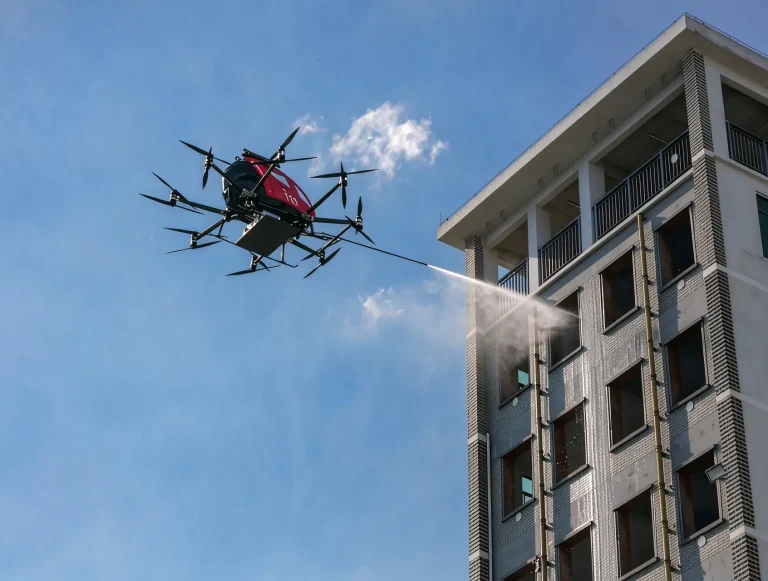
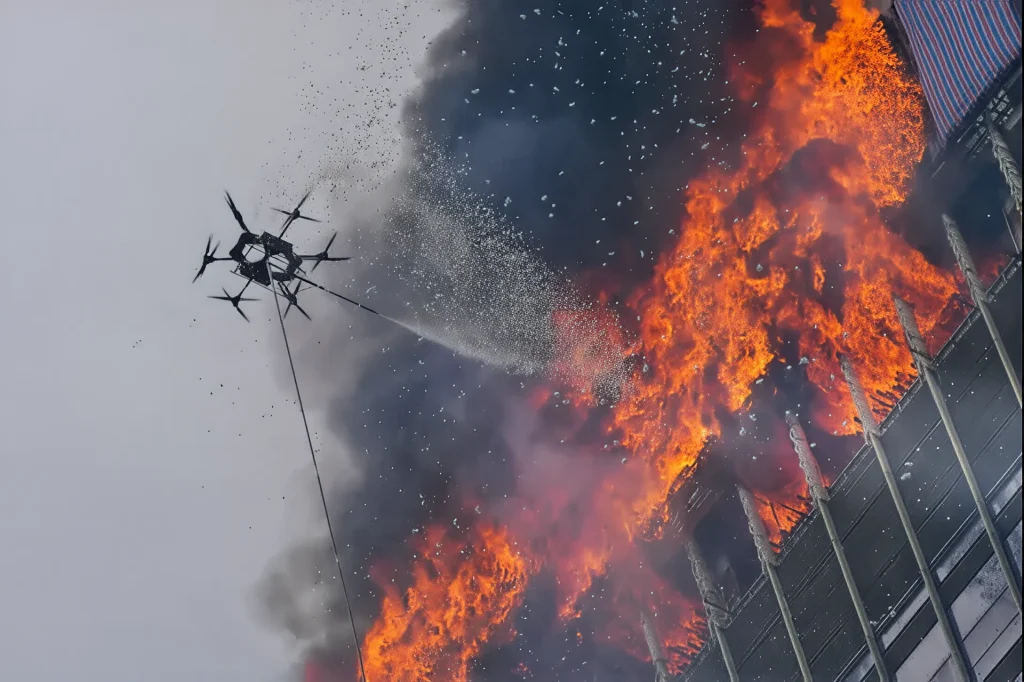
Firefighting drone tackling a building fire
Typical pack6S–14S, 30–72Ah
SafetyCells pass nail penetration testing
Cold weatherStrong discharge below -20°C
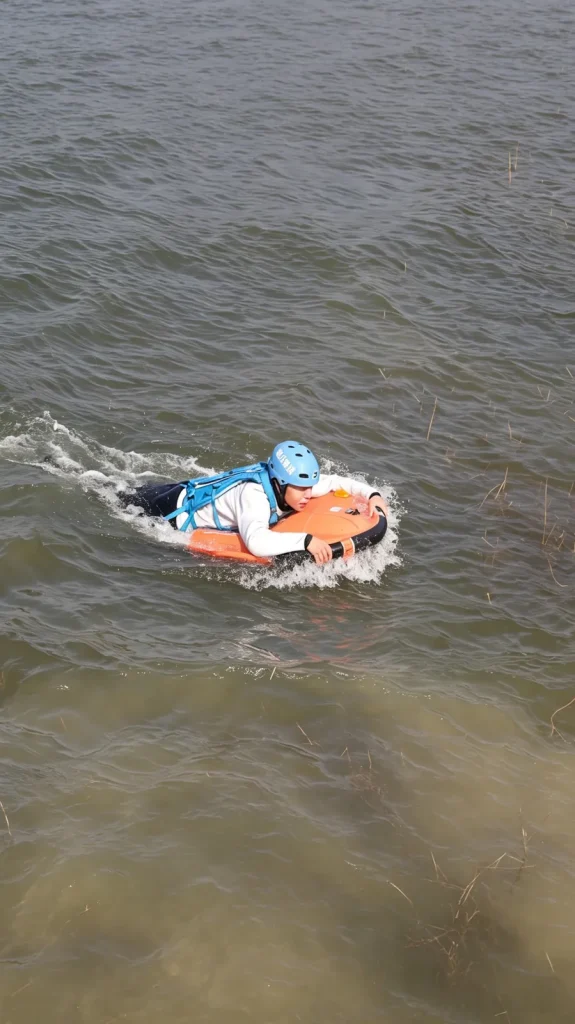
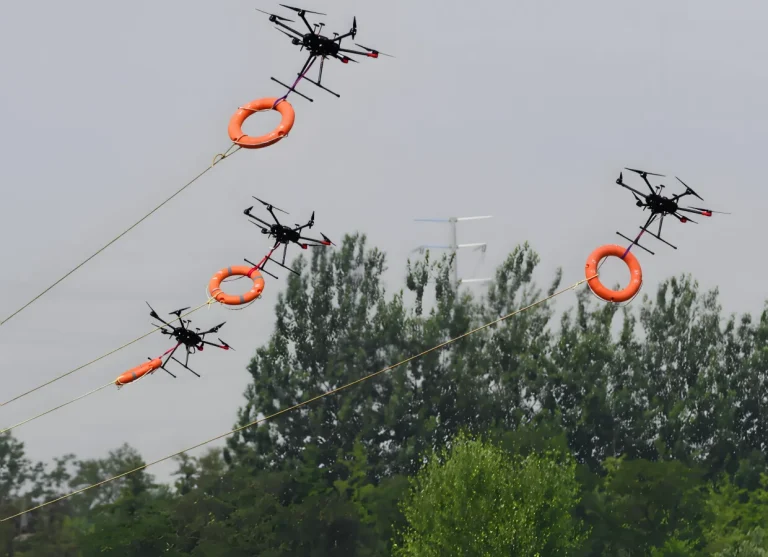
Aerial view of a water rescue using a powered buoy

Emergency missions leave no margin

When a drone launches to a fire, a flood or a missing person, there is no time to wait for a battery or to doubt its charge. Packs must sit ready, fly in harsh conditions and stay safe close to heat.

Safety near heat and impact

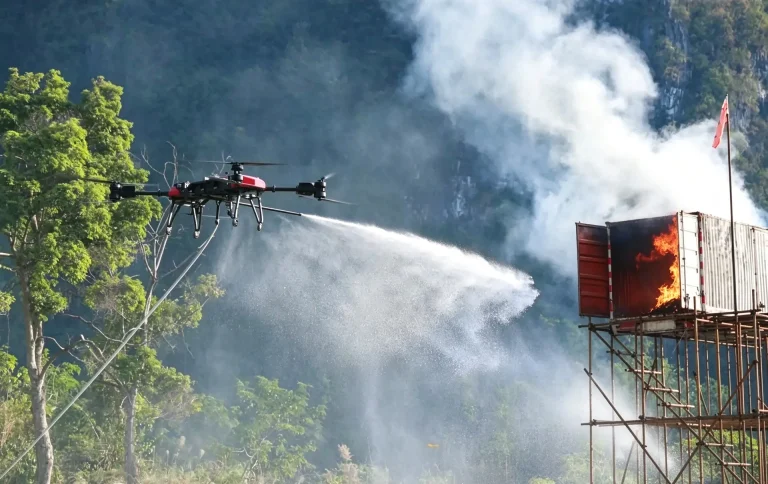
Firefighting drones work close to flames and hot air. Semi-solid-state cells offer higher thermal stability and pass nail penetration tests, reducing fire and explosion risk compared with conventional LiPo.

Ready on the shelf

Response teams keep aircraft charged and waiting. State-of-charge reporting from the BMS shows at a glance which packs are ready to fly.

Heavy, changing payloads

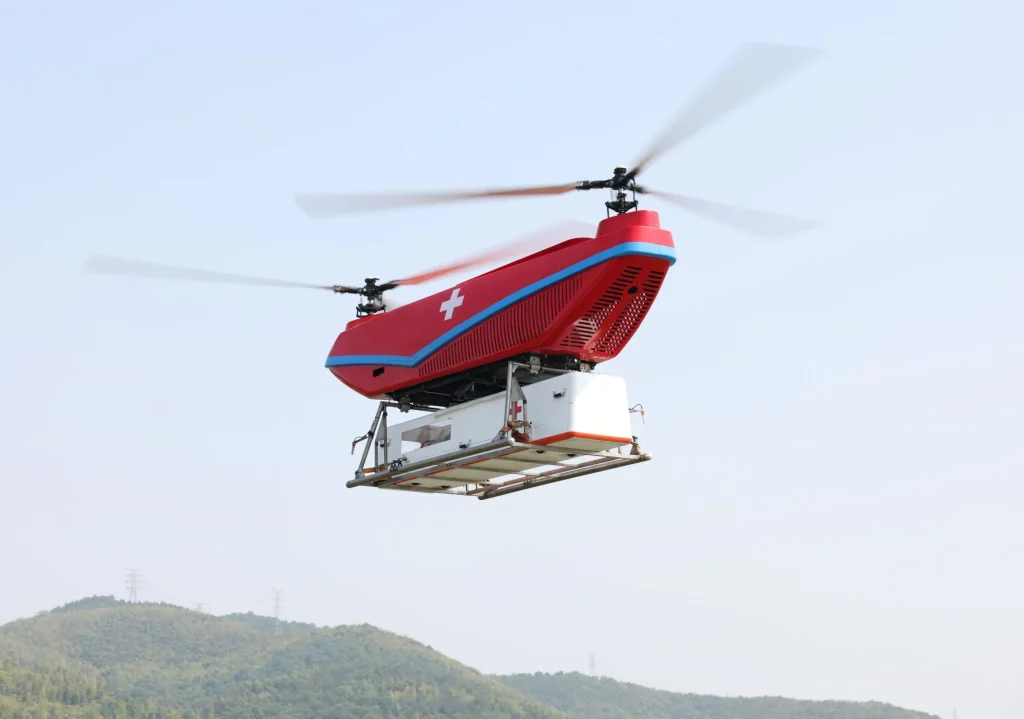
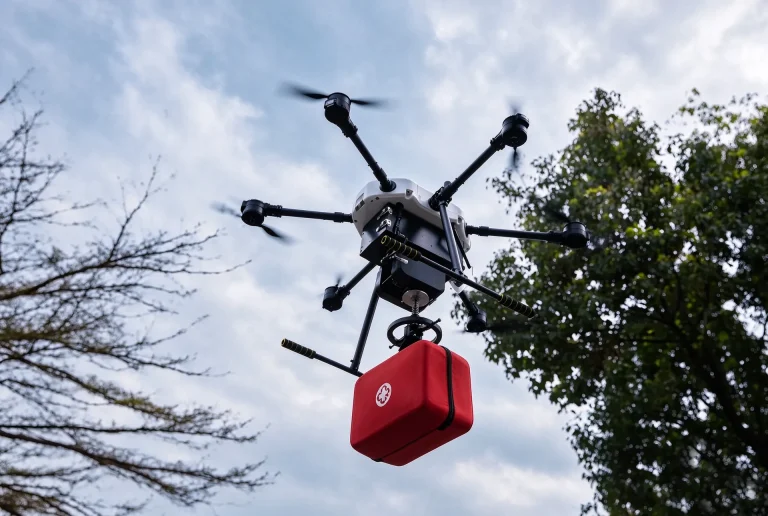
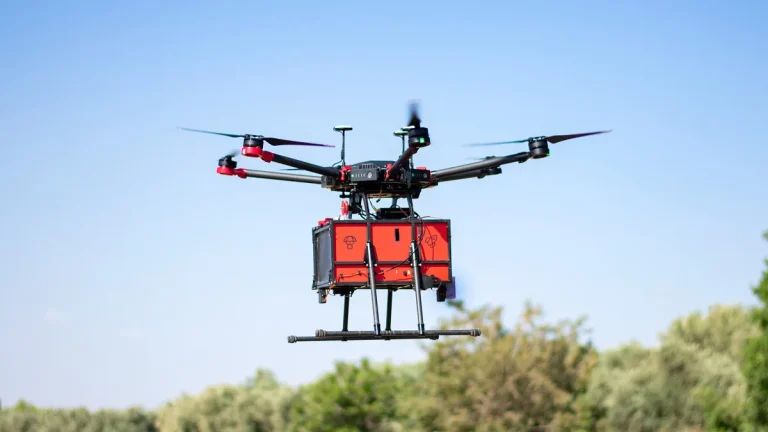
Hoses, extinguishing agents, lifebuoys and medical kits load the aircraft unevenly and change its weight mid-flight. Packs are sized with discharge headroom for climb and release.

Rain, smoke and cold

Our pack designs go through rain, salt spray and thermal shock testing, and the cells keep discharging below -20°C for winter and mountain rescue.

How we configure an emergency response pack

Reliability and safety come before maximum endurance. These are the choices we make with response teams and their drone suppliers.

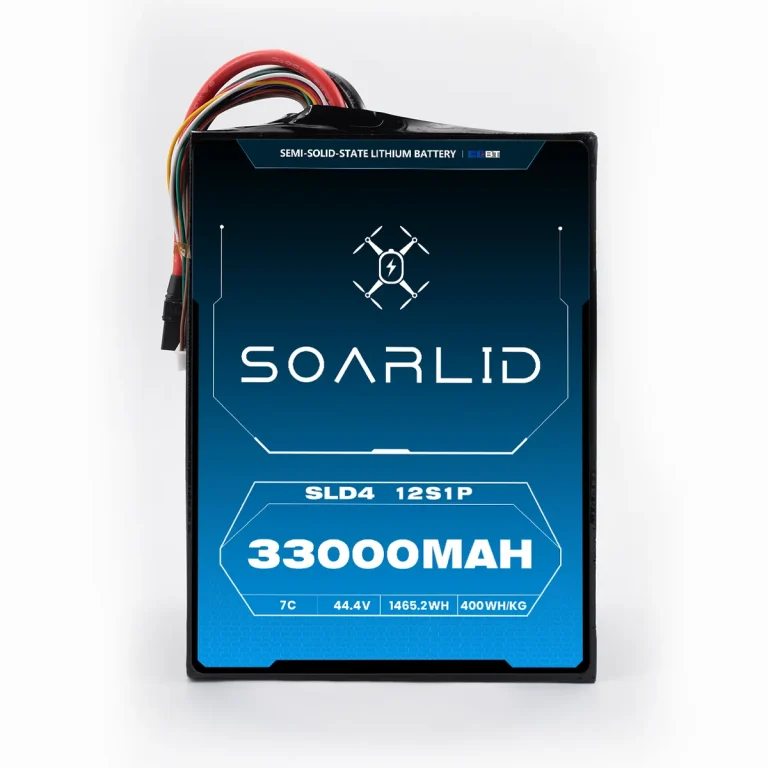
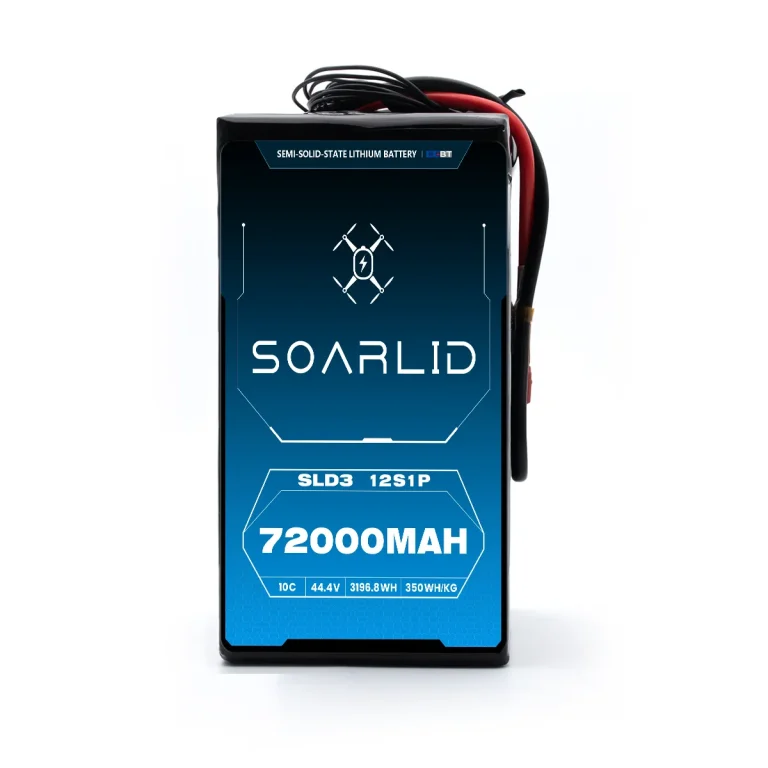
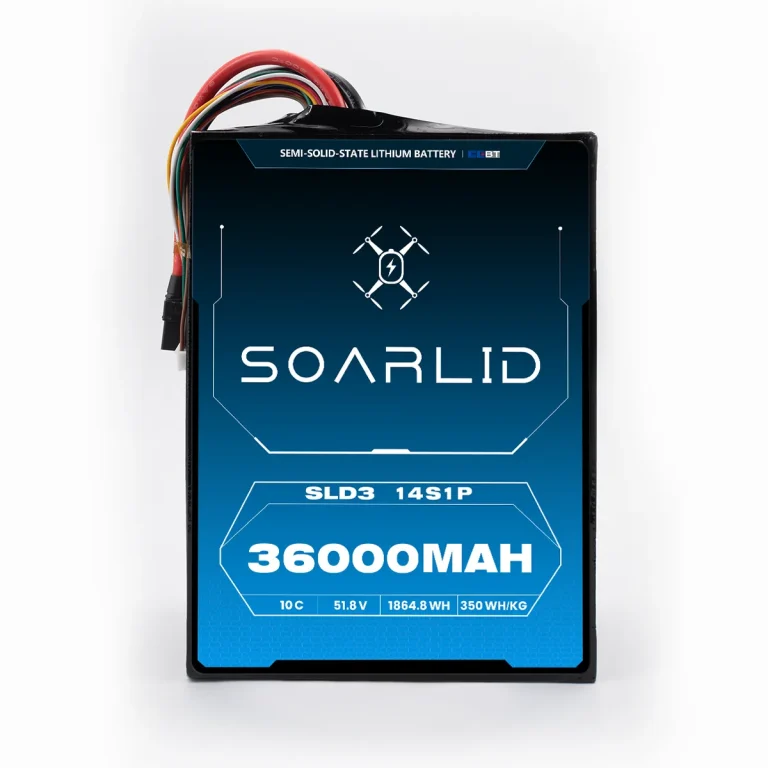
Cell gradeSLD3 350 Wh/kg cells for a balance of energy, discharge rate and cost; SLD4 400 Wh/kg where flight time is critical.
Series and capacity6S to 14S and 30Ah to 72Ah for typical firefighting, rescue and delivery multirotors.
Discharge3C continuous with 10C peak on the SLD3 range, for winch, hose and drop payloads.
BMSBalancing, protection and state-of-charge reporting, with communication to the flight controller.
Tethered systemsOn tethered firefighting drones the onboard pack is the backup if ground power is interrupted. We size it for a controlled return and landing.
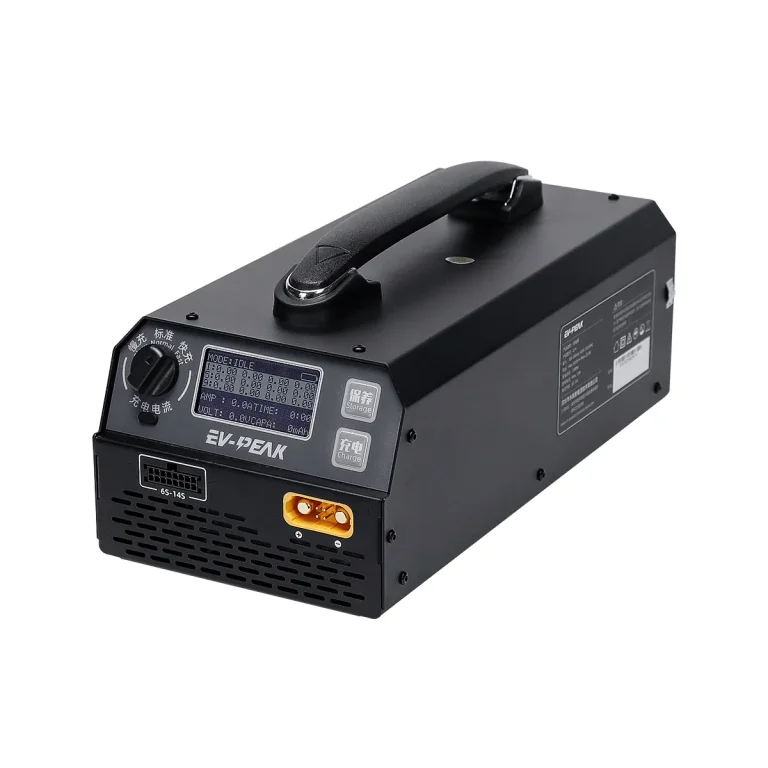
ChargingDual- and four-channel EV-PEAK chargers for vehicle or station-based charging.

Frequently asked questions

Firefighting drones fly close to heat and face a higher risk of impact. Semi-solid-state cells have higher thermal stability and pass nail penetration tests, so they are less prone to thermal runaway than conventional LiPo, while also storing more energy per kilogram.

Most rescue and delivery multirotors use 6S to 14S packs sized for the heaviest payload plus a safe reserve. We usually recommend 350 Wh/kg SLD3 packs for their balance of discharge rate and energy, with capacity customised to the airframe.

Yes. Our semi-solid-state cells keep strong discharge performance below -20°C. For best results, store packs indoors and launch soon after taking them out.

Yes. We supply EV-PEAK dual- and four-channel UAV chargers and recommend models that match your pack configuration and available power supply.

We will reply to you within 24 hours