Inspection & Mapping Drone Batteries
400 Wh/kg and 350 Wh/kg semi-solid-state packs that add flight time to power-line patrol, pipeline inspection, LiDAR mapping and photogrammetry missions.
| Typical pack | 6S–14S, 22–80Ah |
|---|---|
| Cell energy density | Up to 400 Wh/kg |
| Cold weather | Strong discharge below -20°C |
What inspection and survey flights need from a battery
Inspection and mapping drones carry light but power-hungry sensors, fly long linear routes and often work far from the launch point. Flight time per kilogram decides how much line, pipe or area you cover per sortie.
Endurance per kilogram
Higher cell energy density means fewer landings per kilometre of line inspected and fewer battery swaps per survey block.
Stable power for sensors
Zoom cameras, thermal imagers and LiDAR need clean, steady power. A pack sized with discharge margin keeps voltage sag low through the whole flight.
Cold mornings and high ground
Patrols start at dawn and survey sites sit at altitude. Our semi-solid-state cells keep strong discharge below -20°C, where conventional LiPo loses usable capacity.
Mapping and surveying grids
Photogrammetry and LiDAR missions fly fixed grids at constant speed. Predictable capacity lets planners set block sizes with confidence and finish a site in fewer flights.
How we configure an inspection or mapping pack
Endurance comes first, but sensor power and the battery bay shape matter as much as raw capacity.
| Series | 6S for compact multirotors; 12S and 14S for large inspection multirotors and VTOL platforms. |
|---|---|
| Capacity | 22Ah to 80Ah standard across 6S, 12S and 14S. |
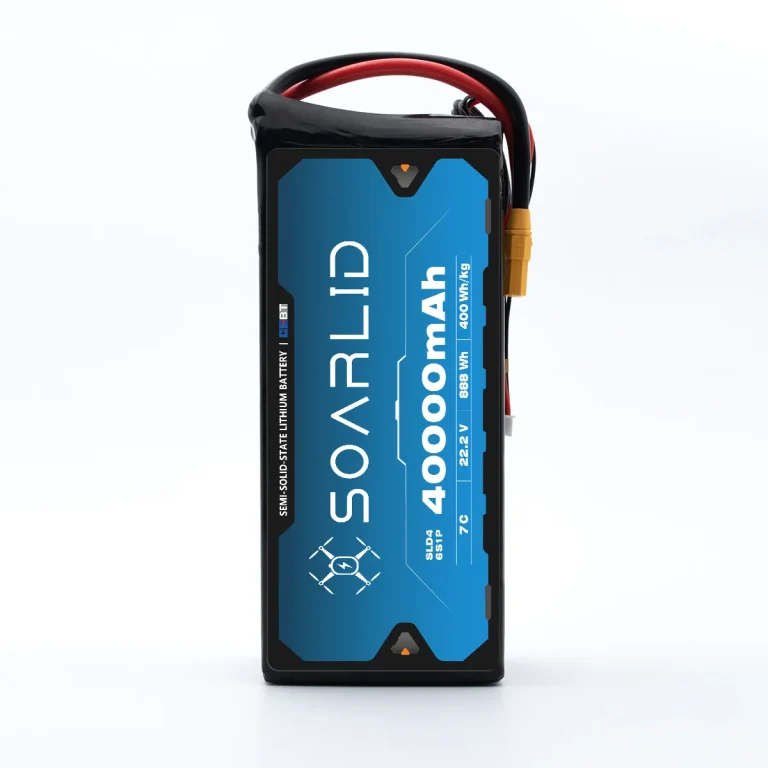
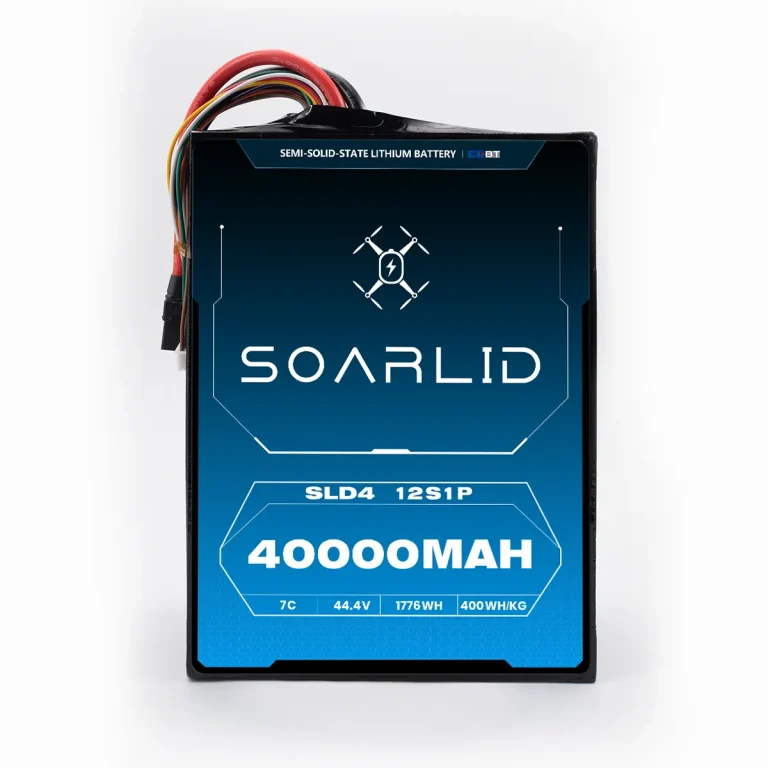
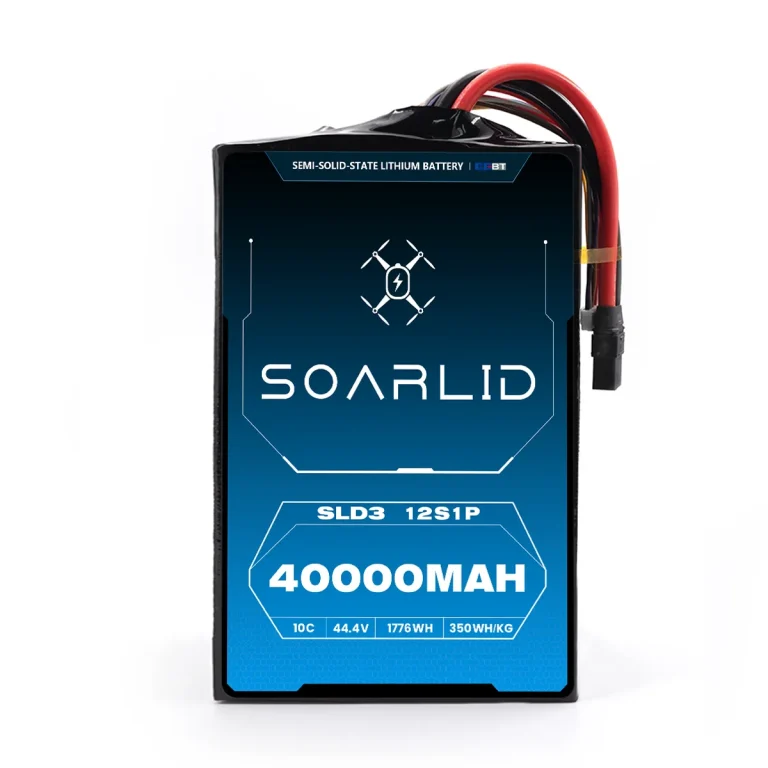
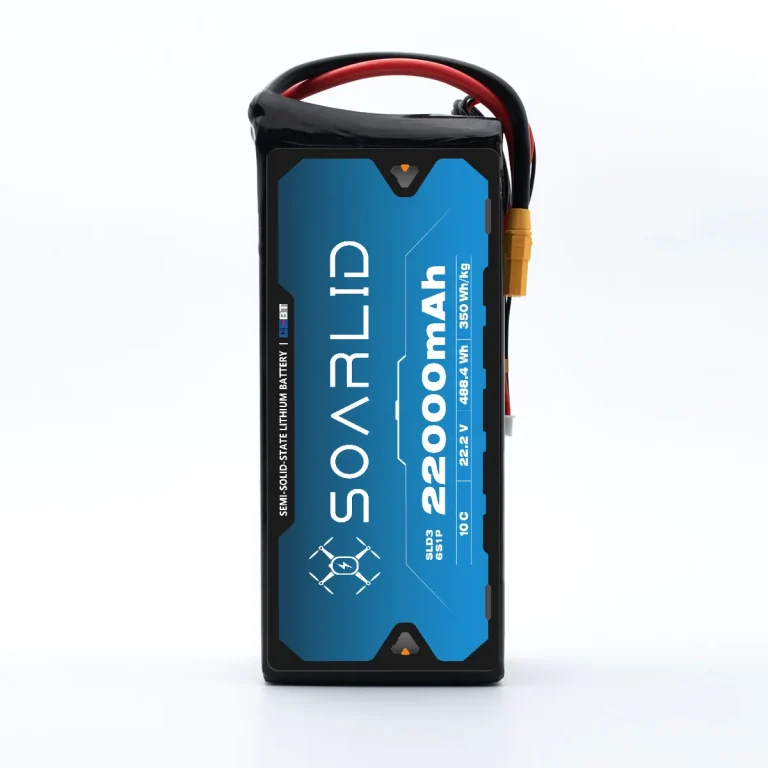
| Cell grade | SLD4 at 400 Wh/kg for maximum endurance; SLD3 at 350 Wh/kg for a balance of cost, discharge rate and density. |
| Discharge | 2C–3C continuous with 7C–10C peak, ample for cruise-heavy inspection profiles. |
| Form factor | Case shape and dimensions built to your battery bay or VTOL fuselage. |
| BMS and data | State-of-charge and health reporting to the flight controller, with the protocol matched to your autopilot. |
Recommended inspection and mapping drone batteries
Long-endurance packs from the SLD4 and SLD3 ranges. Need a lighter-cost option? Our 270–320 Wh/kg SLD1 and SLD2 packs are a reliable step up from LiPo.
Browse the range:400Wh/kg Series →350Wh/kg Series →320~270Wh/kg Series →
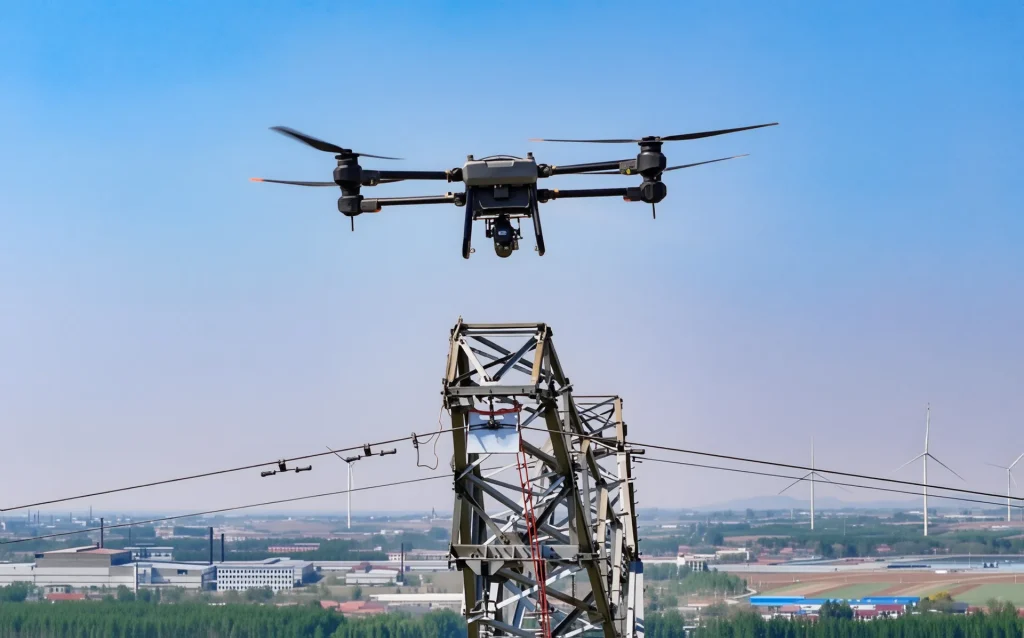
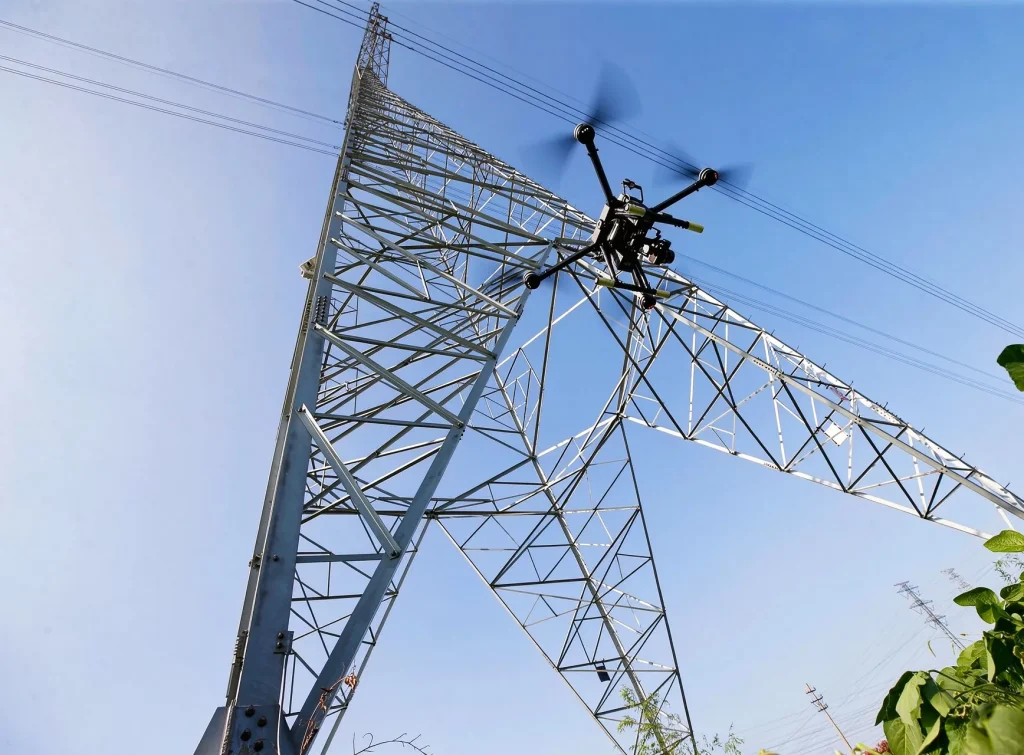
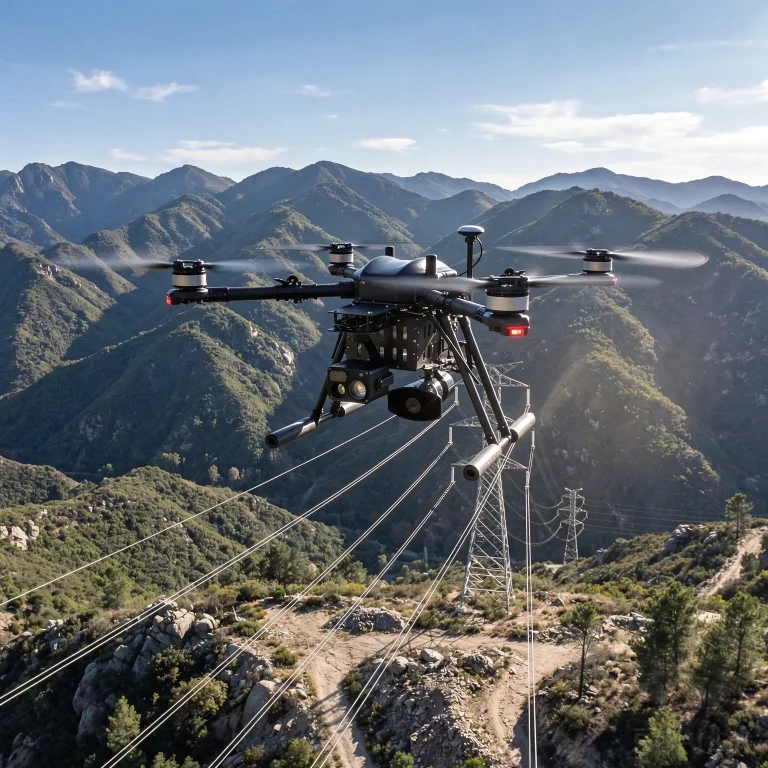
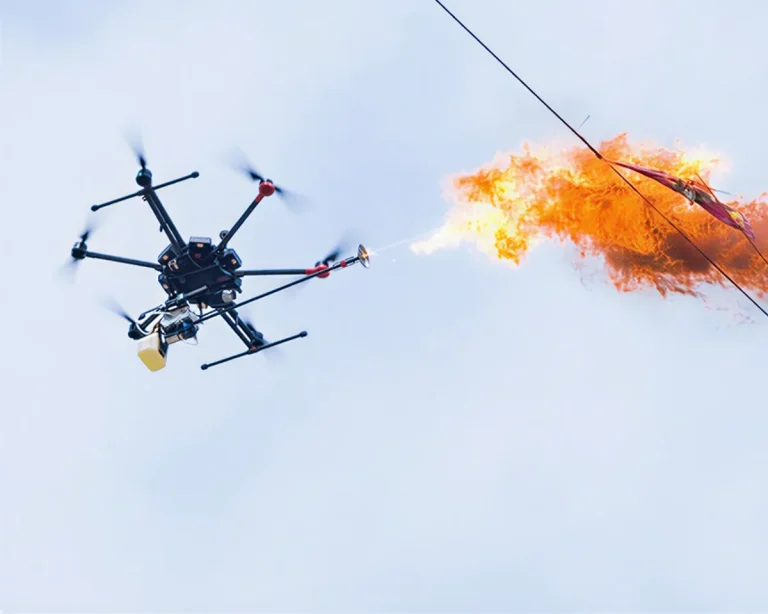
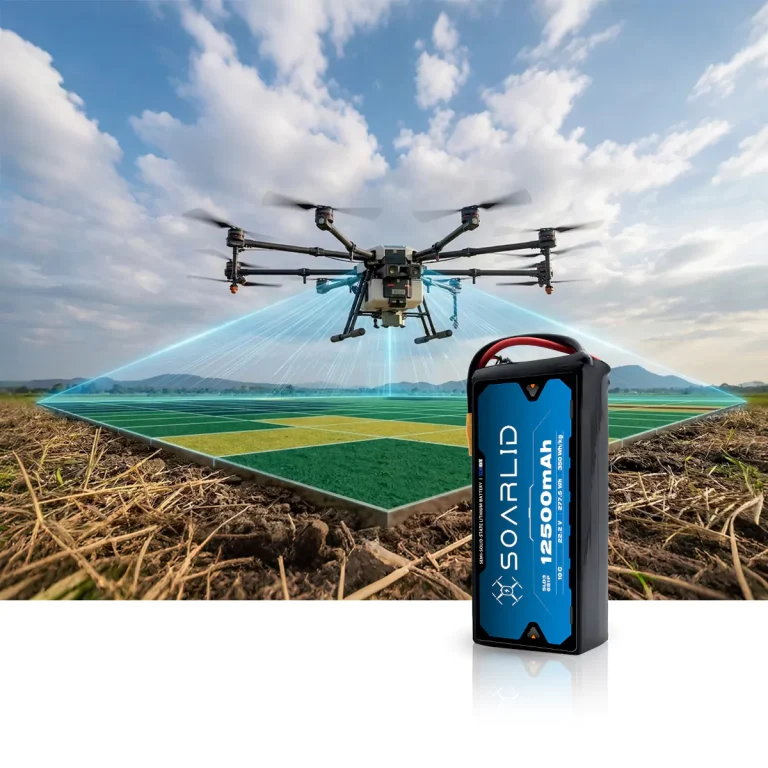
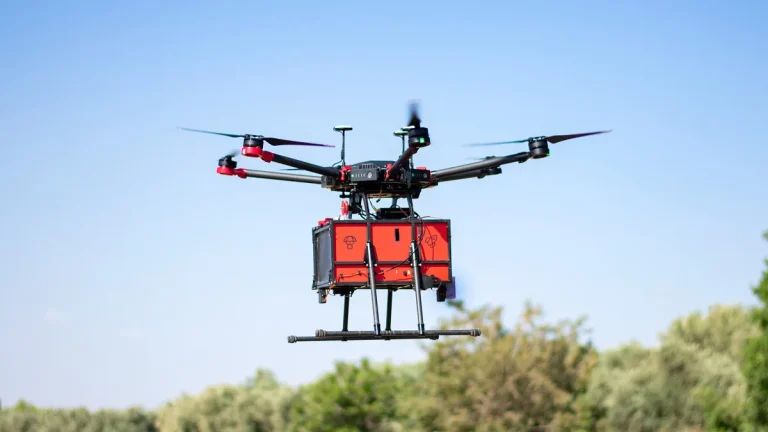
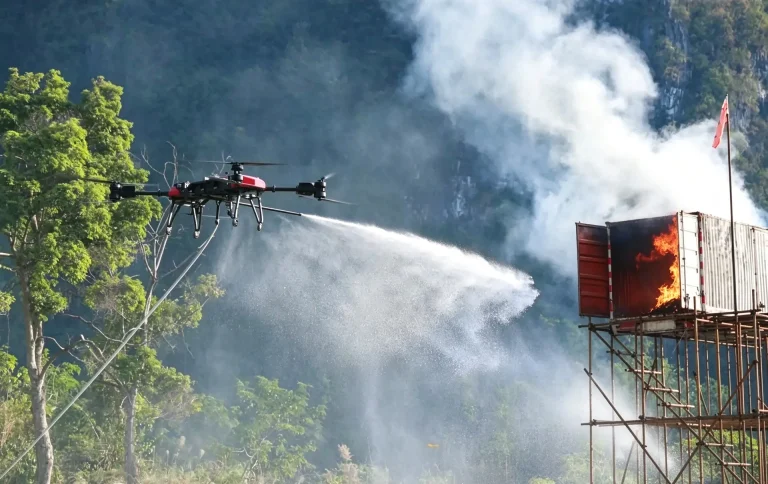
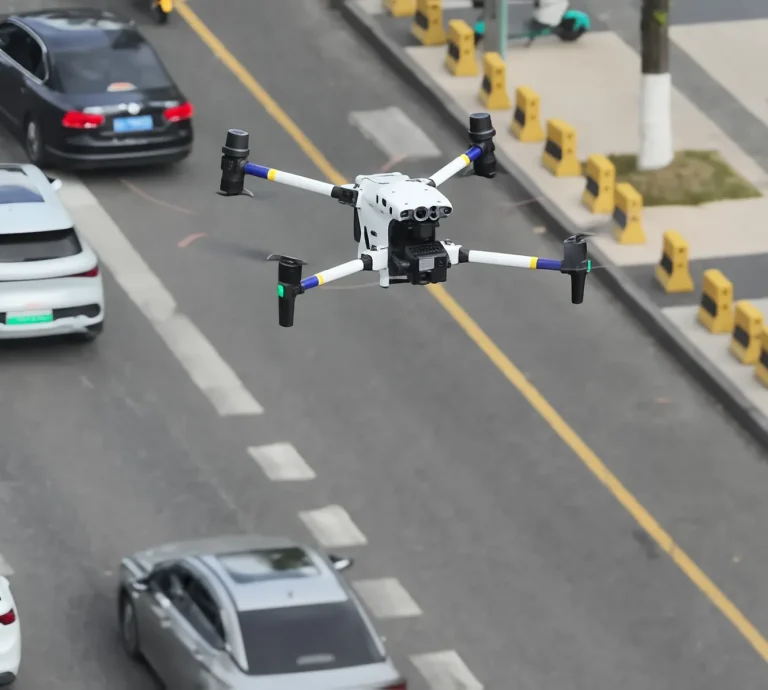
Inspection and survey drones in the field
Frequently asked questions
What is the best battery for a power-line inspection drone?
For long linear patrols, energy density matters most. Our 400 Wh/kg SLD4 packs give the most flight time per kilogram; the 350 Wh/kg SLD3 range is a cost-effective alternative with a higher discharge rating. Typical inspection platforms use 6S, 12S or 14S.

Which battery suits mapping and LiDAR survey drones?
Survey drones fly steady, cruise-heavy profiles, so a high-energy semi-solid-state pack in 6S or 12S is usually the best fit. Tell us your sensor payload and grid size and we will recommend a capacity.
Do semi-solid-state batteries work in cold weather?
Yes. Our semi-solid-state cells maintain strong discharge performance below -20°C, which helps winter patrols and high-altitude sites. Keeping packs warm until take-off is still good practice.
Can you build batteries for VTOL fixed-wing drones?
Yes. We customise case shape, dimensions, connectors and wire routing to fit fuselage battery bays, in series counts from 6S to 24S.